
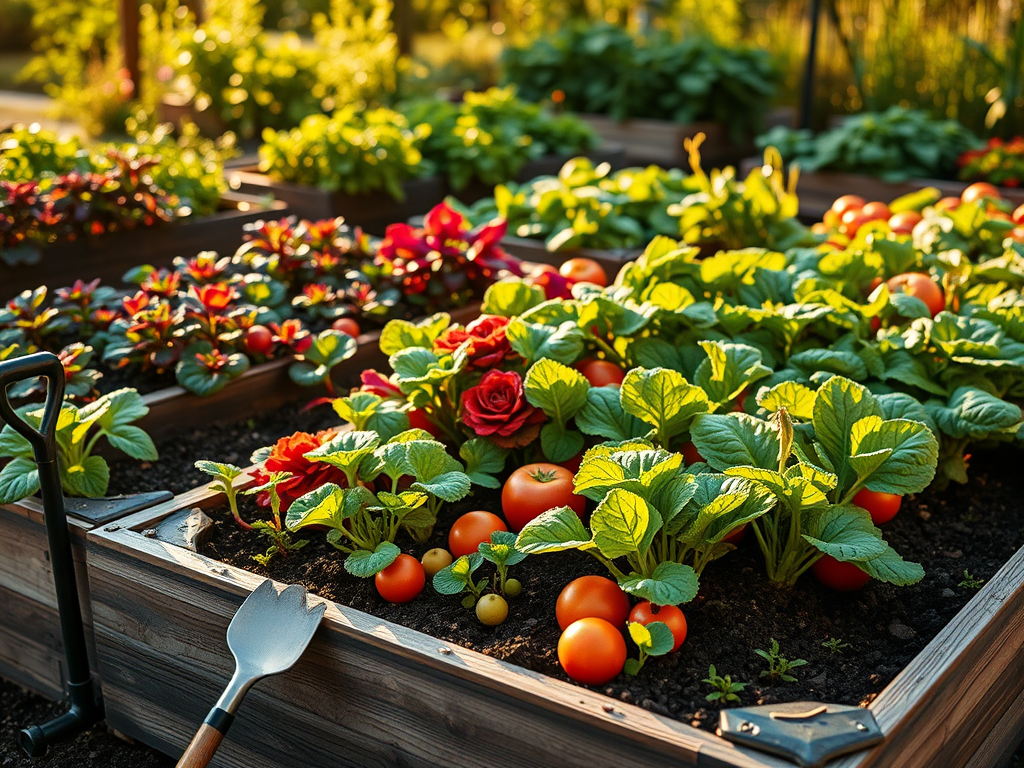
I’ve started my garden already but, the one question I had when I decided to do this was — “Where do I start?” My goal is to grow vegetables to feed myself and to reduce my dependency on grocery stores. So, what gardening method should I choose? There are many ways to grow food and I am going to cover the main ones you might typically find in a backyard garden.
CONTAINER GARDENS — A container garden would be the easiest way to start. Containers are relatively cheep and readily available. You don’t need much room for containers and you can grow a lot in a small space. My end goal, however, is to provide myself with food for the long term, so containers won’t be the main way I grow plants. I need more space than a container garden can provide.
TILLING — I could go the traditional route and till the earth and plant in rows. As a child, I remember my father tilling the ground, breaking up the soil to make it suitable for planting seeds. As time went on, no-till started gaining momentum. Tilling and the use of fertilizers effectively disrupt the soil ecology. The soil in back yard is mostly clay and in order to make it a viable place to grow plants, I would have to amend the soil and that is an expense I do not want. So, tilling is not for me.
NO TILL — One method of gardening that has been around for a long time is no-till. No-till is just what is says. You don’t till the ground in order to prep the soil for planting. No-till is becoming more popular as people are starting to understand how important a healthy soil is to plants. There is a lot to discuss with no-till gardening and that will happen in further articles down the road. For the time being, just know I am not going the no-till route and using raised beds.
Raised beds
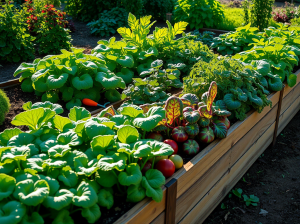
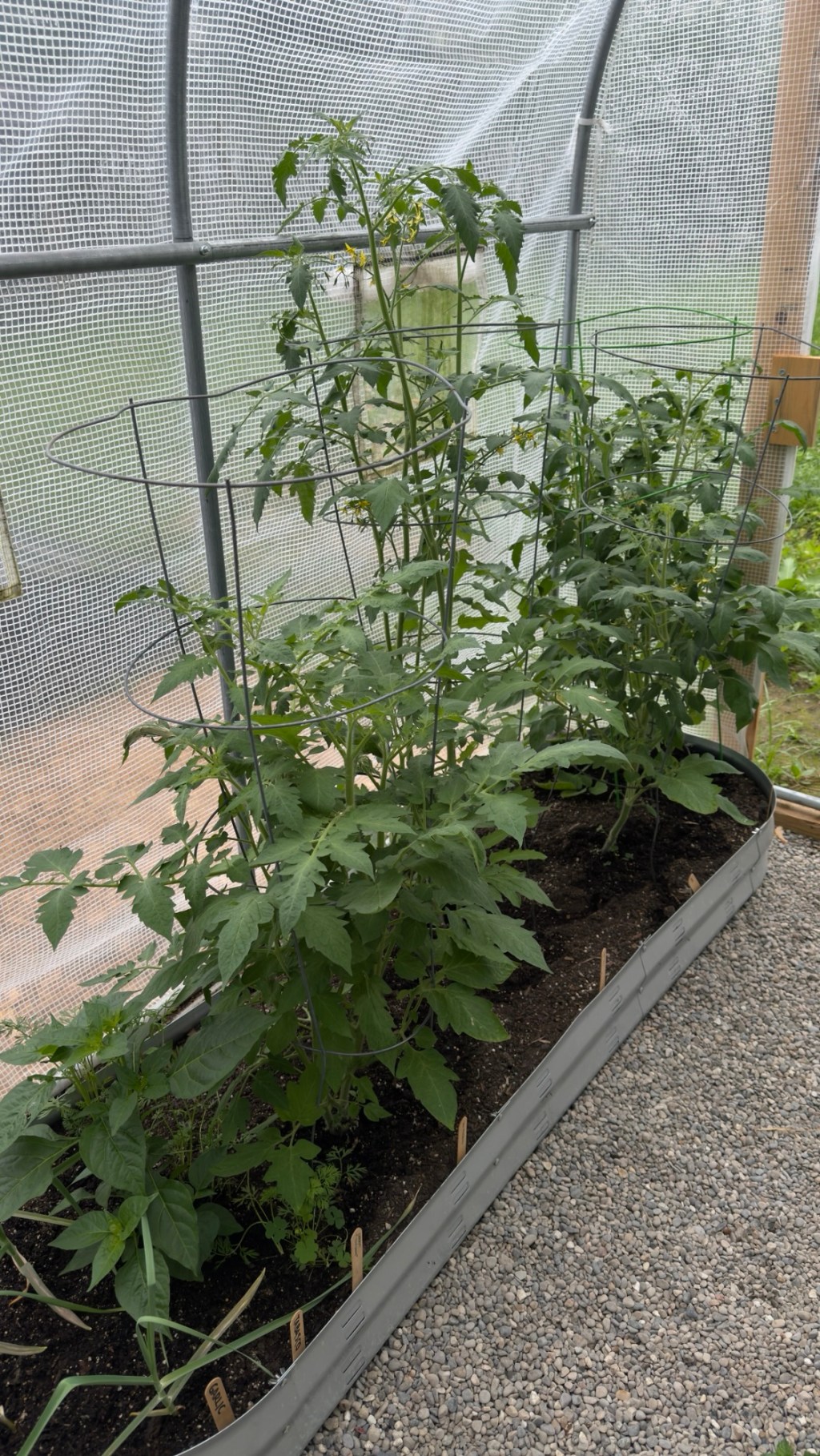
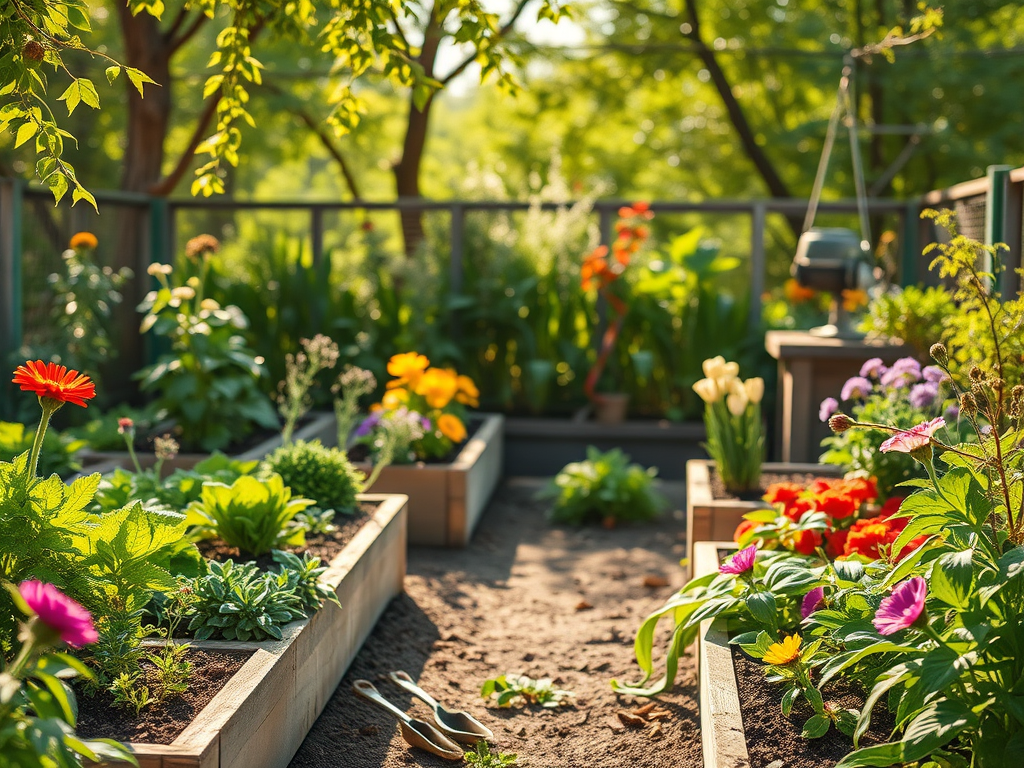
What is a raised bed? Raised bed gardening is a method where soil is elevated above ground level and usually enclosed in a frame made of materials like wood or metal. This technique improves soil quality, drainage, and accessibility for growing plants. It is also a great way to practice no-till gardening. My plans are to eventually have six raised beds. I have two this season. Why raised beds? Remember me telling you that my backyard is mostly clay? That’s why. It could take three growing seasons before my soil would start to be productive. That’s not say I couldn’t grow plants, but they would not perform at their best and have a high yield. A raised bed has a leg up over traditional no-till because it starts with a mixture of soils, compost, and other organic material. Plants grown this way will be stronger, be vigorous, and be higher producing well before traditional no-till. Besides, they look good.

Soil
Soil is probably the most important part of being successful. Soil provides plants with the nutrients they need to grow and produce the food. Luckily, getting the right soil mixture in a raised bed isn’t difficult. Just purchase ready made garden soil at you r garden center, or follow this ratio of soil, compost, and other organic matter and you will give your plants exactly what they need. A ratio of around 5:2:1 top soil to compost to an organic material such as manure. Organic matter should make up about 1/4 of your soil mixture overall. Creating a good soil structure also allows for good drainage. Coarse sand is also used to help your soil drain better but be careful, you don’t want your garden soil to be too free draining. The plants won’t have time to soak up the water and will suffer. The opposite is also true. Most plants will not grow well, if at all, in soil that is always water laden. If I were going the more traditional no-till route, I would struggle to grow anything in my clay rich soil. My backyard becomes a a very shallow pond in the spring when it rains. The water also hangs around for weeks because the clay creates a impenetrable layer that water moves through very slowly. Finally, a good soil structure, rich in organic material also promotes good bacteria and animal life. See earth worms in your garden? That’s a good sign you have a healthy soil.
Seeds or Plants?
The age old question — do I plant seeds or do I use pre-grown plants? Okay… maybe that isn’t the age old question, but it’s still a question I need to answer. Pssst… I’ll let you in on a little secret. I used both.
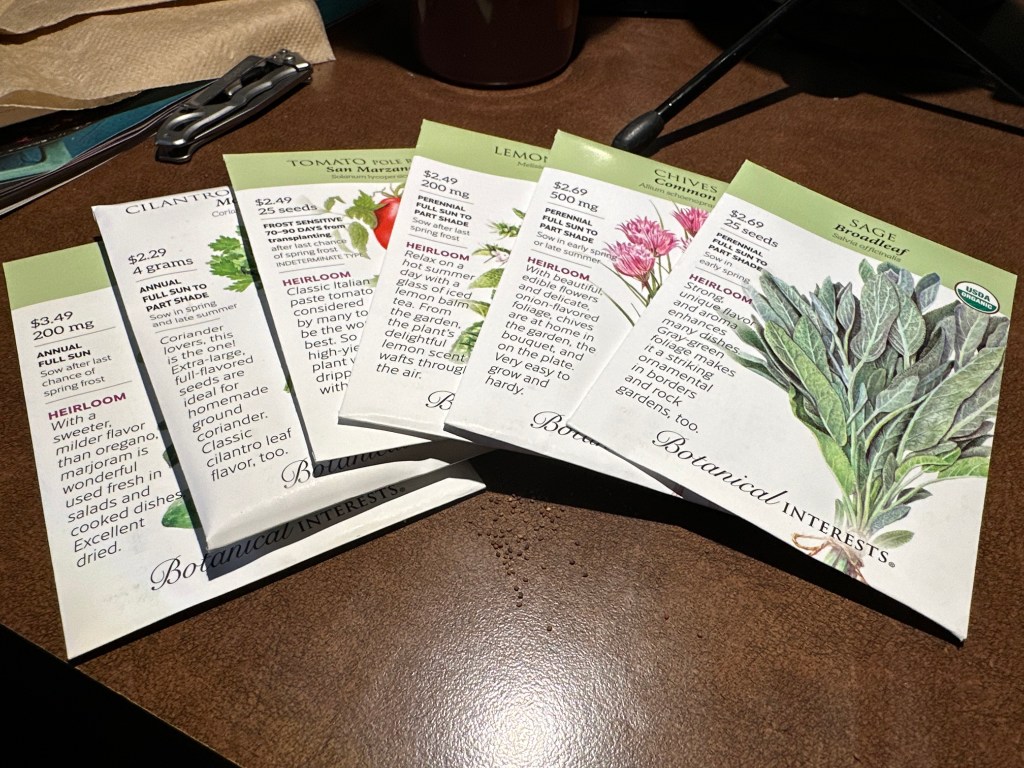
Stop at any garden center, home improvement store, or supermarket when the weather starts to warm up and you will find an almost overwhelming selection of seed packets. Not long after that, these places will have young plants, ready to put out in your garden. At first glance, the choice seems obvious — buy the ready to plant plants right? At the time of writing, a “Big Boy” tomato plant is priced at $4.96 at Walmart and a packet of Big Boy seeds is priced at $1.96 for a packet of 125 seeds. That is a difference of $3.00. Maybe the ready to plant route isn’t the best one and going the seed route is way to go. A packet of 125 tomato seeds at $1.96 breaks down to $0.02 per plant. That is a significant cost savings over the $4.96 plant. However, there is a lot more work to do to get tomatoes from seed. It all starts in February. You will need seed trays, potting soil, the seeds, and a warm place to put them. How many plants do you want? Each plant will produce a lot of fruit. What are your plans? Do you want tomatoes to eat? Are you going to make sauce? Perhaps you are going to preserve them so you can enjoy garden ripe tomatoes in the dead of winter. Okay, you know what your plans for the tomatoes are and you know how many seeds you will need. Time to plant them — that’s the easy part. After you have planted the seeds, they need watered and place in a warm location that gets plenty of light. Seeds need warmth and light to germinate, and you should start to see seedlings after a few days. Keep the seedlings watered and after a couple of weeks, it will be time to transplant the seedlings in to larger containers. The plants need room to continue to grow. Keep watering them and monitoring their progress and your plants should be ready to plant soon after the last frost. Feeling overwhelmed? Thinking the ready to plant route is the better choice? It might be. One drawback to ready to plant is variety. Growers only grow what they know will sell. Why offer 20 different varieties of tomato plants if people are only going to buy 3 to 5 different varieties? Growing from seed has the benefit of an almost endless choice. In the end, the choice is up to you.
I started my own seeds because I want to enjoy the process of watching a plant that I started from seed grow and produce the food I want. Starting from seed takes more overall time, and you might not be successful. I didn’t transplant my seeds and that stunted their growth. Now they are playing catchup. I bought ready to plant because I just don’t have the room inside my house to start all the seeds I want to start.
Thoughts
What I have written is simplified and doesn’t cover all possibilities. It is also probably wrong in some places. I am not an expert, I am still learning, and this is not a how to. Having said that, get out in the garden and have fun. You may or may not be successful, but either way, you will be outside, enjoying all that mother nature has to offer, and hopefully growing food for you and your family. It’s almost the end of June and the newsletter will be out soon. If you want to receive the newsletter, consider subscribing. As a subscriber, you will be notified when new articles are published, receive special offers (when that becomes a reality. Let’s get the page off the ground first.), and you will also receive the newsletter. The newsletter is exclusively for subscribers!
That’s it for this week! See you next Sunday.
— Greg



 My Hoosier Homestead
Leave a comment