

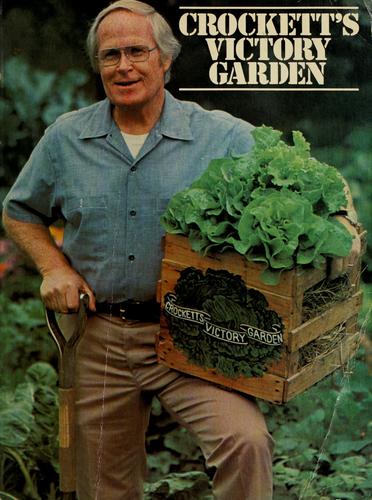
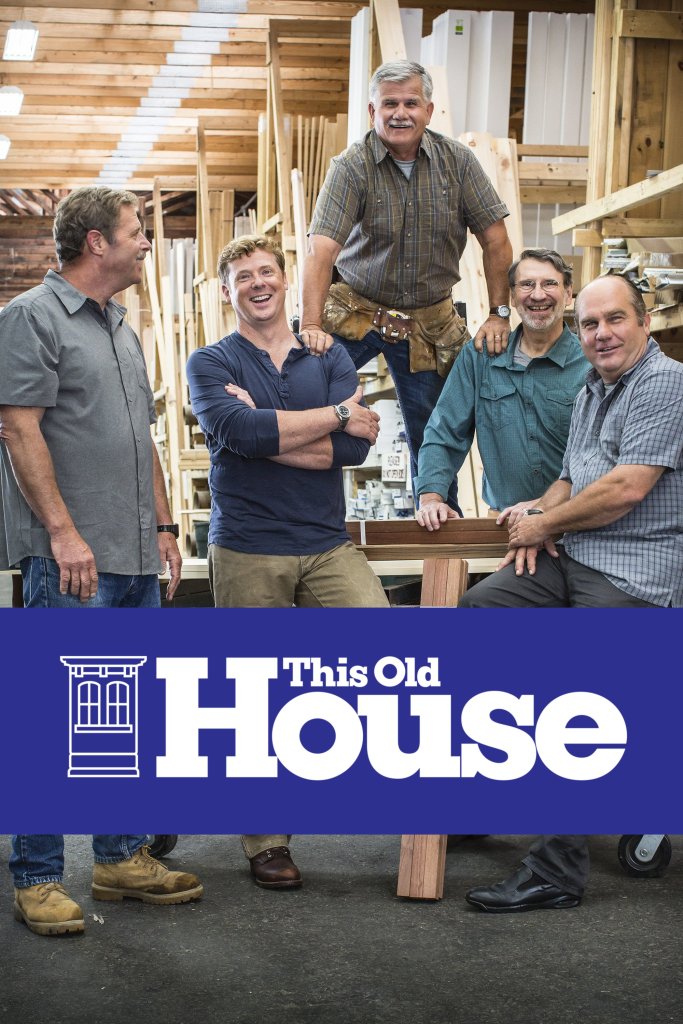
I am not sure I have a good answer. Maybe it’s because my mom never cooked from a box and everything was scratch-made? Maybe it’s because my paternal grandparents had a huge garden every year? Like mom, Grandma always cooked from scratch. Maybe it was the influence of PBS programs like Crockett’s Victory Garden, or This Old House? I also watched cooking shows long before FoodTV became a thing. Remember Julia Child, Justin Wilson, and Martin Yan? Growing up, I remember my childhood being surrounded by a DIY culture where everything from cooking to lawn care, to home maintenance was done by us. I guess it’s a part of me.

I was born in the late 1960’s, smack dab in the middle of the Vietnam War and the Peace Movement. World War II had ended in 1945 and the Korean War in 1953. The United States was still in Victory Garden mode. What we call homesteading today was normal life in rural America in the 1950’s and 60’s. Folks grew or raised most of what they ate. Families raised and slaughtered chickens for the eggs and meat. A dairy cow was common for milk. You would trade with your neighbors for things you didn’t grow or raise yourself. If you lived in town, life was quite different. People still had gardens, but they also had access to what we know today as grocery stores. These “grocery” stores started making an appearance towards the start of the twentieth century (1900). They didn’t sell meat or produce. They sold “dry goods” and were called dry goods stores. Things like flour, sugar, canned goods and other non-perishable goods. You bought meat from the butcher and produce from the greengrocer. It was common to have all three in the same area, usually right next door to each other for convenience.
Gardening was still a popular in the 1970’s, and the D.I.Y. movement was gaining popularity also. Crockett’s Victory Garden premiered on April 16th, 1975. Produced by WGBH in Boston, MA, the show was broadcast on PBS stations nationwide. Every week, people tuned in as James Crockett dispensed gardening knowledge. He would also answer viewer questions. At the end of the decade — in 1979, This Old House premiered and was an instant hit. While it wasn’t gardening related, the show further fueled the popularity of D.I.Y. The host Bob Vila, with the presenters, Norm Abram, Tom Silva, and Richard Trethewey brought D.I.Y. to a new height. This Old House started a movement. The programs that followed equipped the average person with the knowledge and confidence to maintain their homes. People also learned how to upgrade their homes as well.
The 1970’s were truly a decade of inspiration.
Gardening and D.I.Y. enjoyed their heyday in the 80’s and 90’s. New programs, new hosts, and new channels all provided people with more knowledge and tools. These helped them perform home improvements, tackle new projects, and change hardware and gardening stores. People gained access to tools and resources through home improvement stores like Lowes, Menards, and Home Depot. Tools and resources that were previously only available to the pros.

Before we knew it, the 20th century was coming to an end and along with it would be the decline of gardening and D.I.Y. Both still existed, but there was something wrong. With the explosion of the number of television shows and D.I.Y. channels, competition became fierce. The number of viewers and ad revenue became more important than the content. Many new programs were centered on competition. How fast and how cheap became the new mantra. Not only was gardening and D.I.Y. changing, so was retail. Retail giant Walmart, and others like Walmart, sparked an explosion in one stop shopping. For the first time, you could do your grocery shopping, buy clothes, home goods, hardware, toys, and a lot more all under one roof. Most products came from elsewhere and the local held very little value. Gardening and D.I.Y. were still around, but time had become an issue. With the growth of two income families, there was less time for gardening, etc., and it suffered. Our lives changed drastically in 2020 with the COVID pandemic. Suddenly, people had lots of time on their hands. The idea of slowing down and returning to our roots became more important. Gardening saw an uptick in popularity and homesteading was gaining interest. People were starting to think about the foods they bought and where their foods came from. Local was hip again. Ironic isn’t it?
The words I have written are purely my opinion, and poorly lacking detail. I could write volume after volume, go down every rabbit hole, and never get it all. The things I have said are my observations and the fuel for why I am exploring homesteading. Homesteading is a lot more than just gardening and I will probably never completely adopt the homesteading lifestyle. As I get older, I pay closer attention to my health. I am more aware of how the foods I put into my body affect my health. I am also starting this journey because I see how corporations have a stranglehold on the food supply. I am making a conscious decision to patronize local farmers and producers. I want to reduce my dependency on having everything I need available at the tip of my fingers. The abundance we love as Americans may not always be here. By learning gardening and homesteading, I can continue to support my family. Future generations can also benefit from this knowledge.
If you like what I am doing and want to follow along, consider subscribing. Not only will you be notified when new issues are released, you will also receive a monthly newsletter. The newsletter will summarize everything from the past month and give you a sneak peek in to the next. You will also get tidbits that aren’t covered in the blogs or pages here at My Hoosier Homestead. We are just getting started and it is going to be a fun ride!
Anyway, that’s it for this week! See you next Sunday.
— Greg



 My Hoosier Homestead
Leave a comment